
Compartmentalize to Avoid Burnout
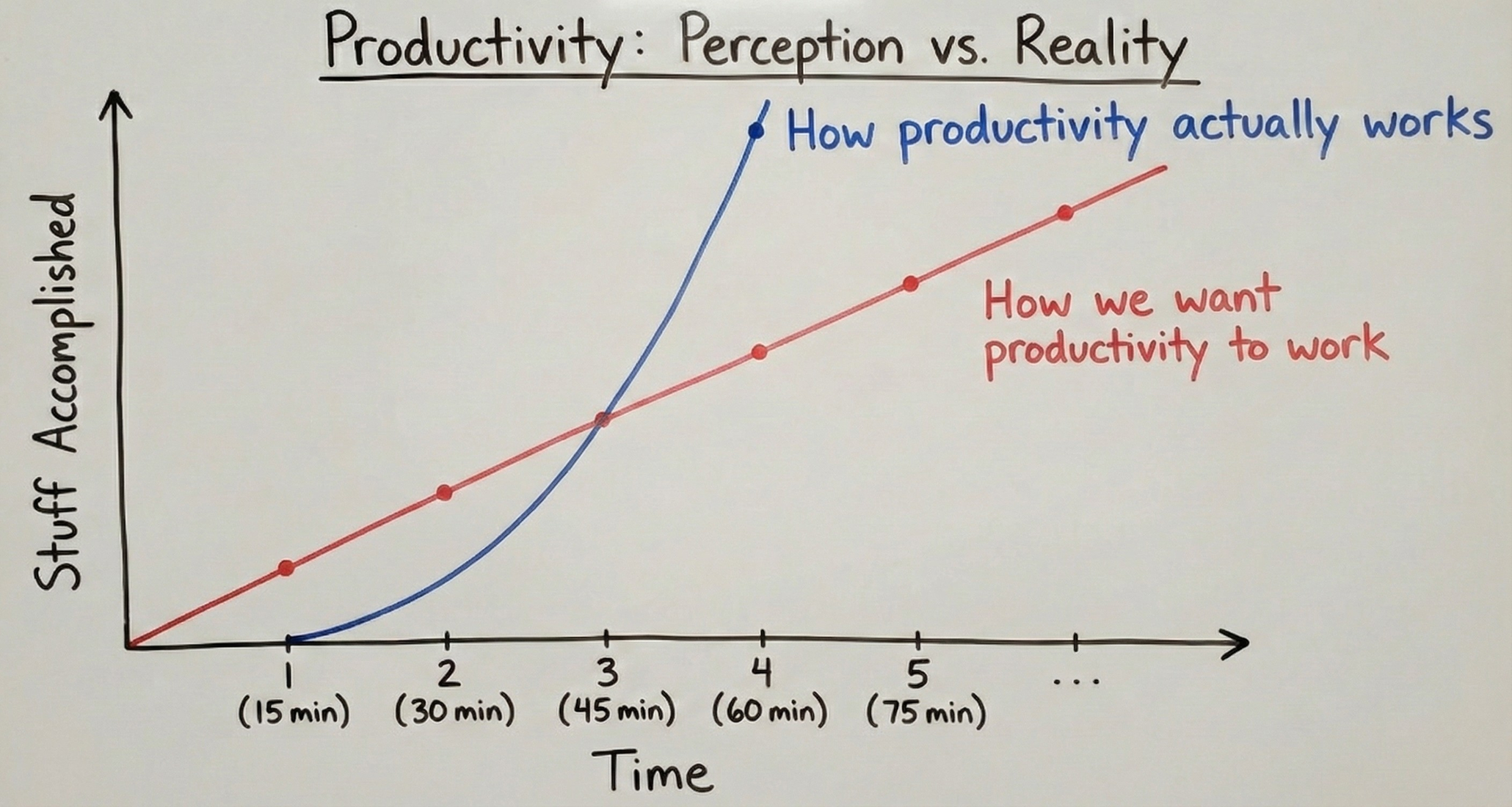
Small business owners and team members have a million things flying at them all day long. The constant barrage can be invigorating for some and overwhelming for others, but it eventually leads to burnout either way. We’re all humans at the end of the day.
So, human, how do you avoid burnout?
Compartmentalize.
Compartmentalization isn't about blocking out the thought of certain responsibilities from your mind—it's about organizing them so you can focus on one thing at a time without the psychological weight of everything else crushing you.
From a practical standpoint, compartmentalization looks like:
Utilizing browser features like Tab Groups in Google Chrome
Tab Groups organize your open browser tabs while they're in use and save them for later (in an organized way) when they're not in use.
Creating separate Desktops for each of your clients, projects, or project types
Time-blocking your schedule and batching similar work
Group related tasks together to minimize context-switching (see image above).
Turning off notifications on your computer and phone to avoid distractions
Reclaim your attention and decide when to engage with incoming information.
From an emotional perspective, compartmentalization looks like:
Shortening your to-do list
Only add what you can reasonably accomplish in a day. Why carry in front of you everything you need to do this week as a psychological burden?
Distinguishing between emotional commitment vs. time commitment
Acknowledge that not everything on your list requires a huge time commitment to complete, but that some tasks will require significant emotional capacity (like difficult conversations or challenging decisions), which could take time to muster.
Closing loops
The Zeigarnik Effect shows us that unfinished tasks get priority in our minds and can interfere with other work we're trying to accomplish. When you compartmentalize effectively, you create space to actually finish what you start.
Compartmentalization is a flexible skill that gets more useful with practice. Start with one practical tool this week—maybe Tab Groups or time-blocking—and notice if your workload or psychological load feels lighter as a result.
The world is moving faster than ever, and the pace of change is only going to accelerate from here. Compartmentalization is key to helping you mitigate the effects.
What's one way you can start compartmentalizing your work this week?